
EV-Heimladegeräte (Ladestationen)


11-kW-Ladestation mit App und 5 m langem Typ-2-Kabel
Regulärer Preis
€375,00
Verkaufspreis
€375,00
Regulärer Preis
Einzelpreis
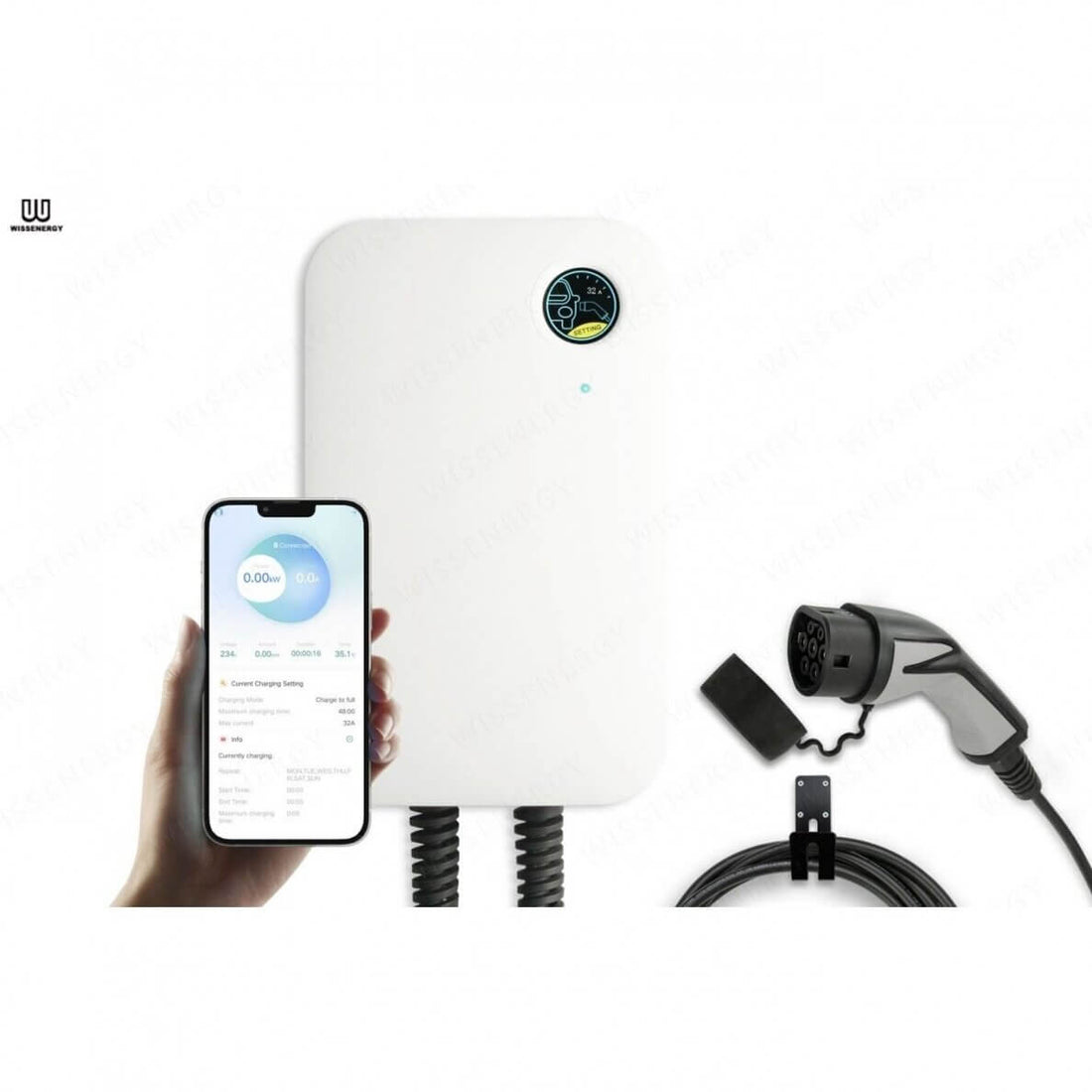
7kW 1-Phasen Wallbox Ladestation WB20 mit WLAN-Funktion
Regulärer Preis
€320,00
Verkaufspreis
€320,00
Regulärer Preis
Einzelpreis

Ladestation 11 kW mit App und 5 m langem Typ-2-Kabel, förderfähig durch staatliche Zuschüsse
Regulärer Preis
€370,00
Verkaufspreis
€370,00
Regulärer Preis
Einzelpreis
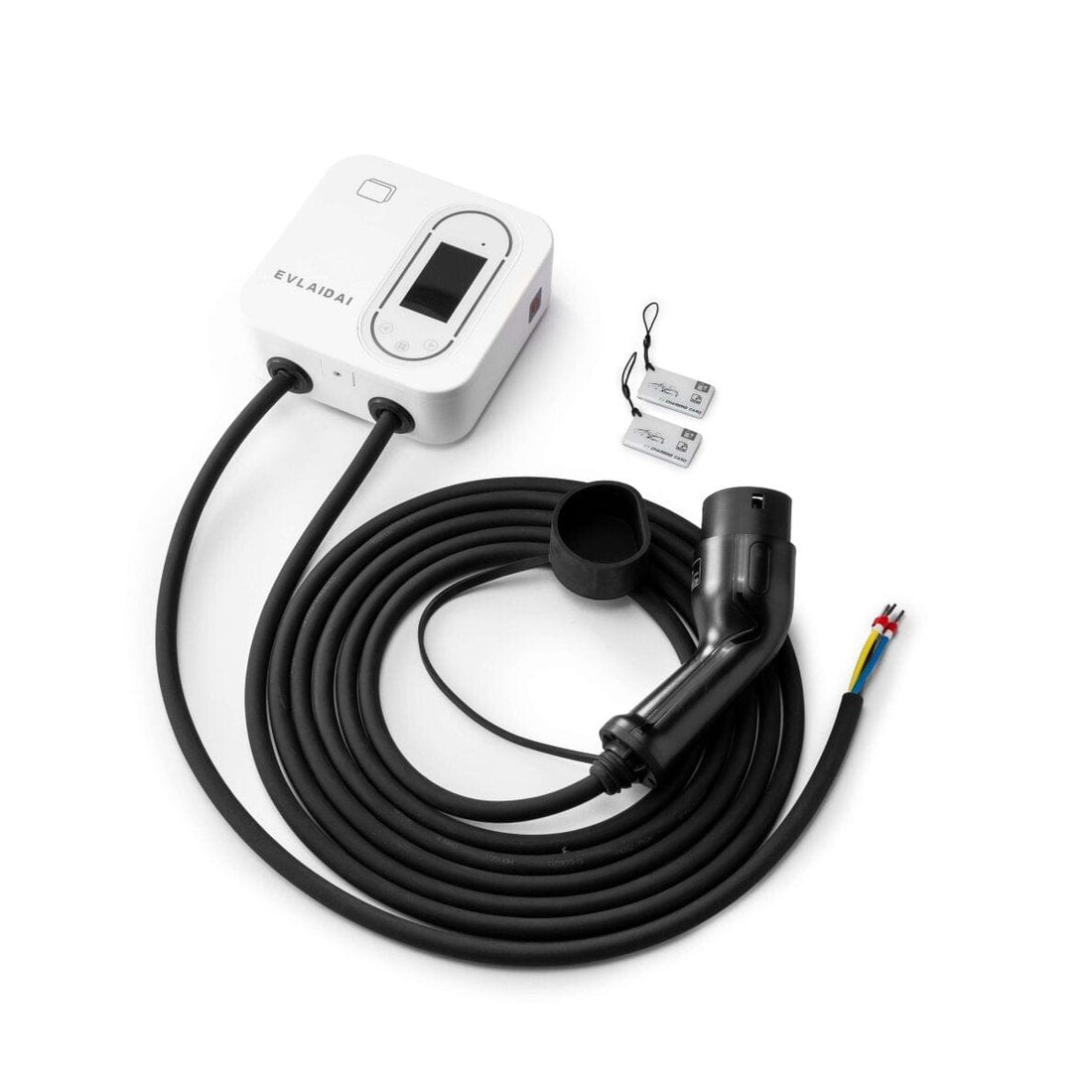
Ladestation 11kW CN-ANS Ladestation mit App, RFID-Karte und OCPP-Protokoll
Regulärer Preis
€380,00
Verkaufspreis
€380,00
Regulärer Preis
Einzelpreis
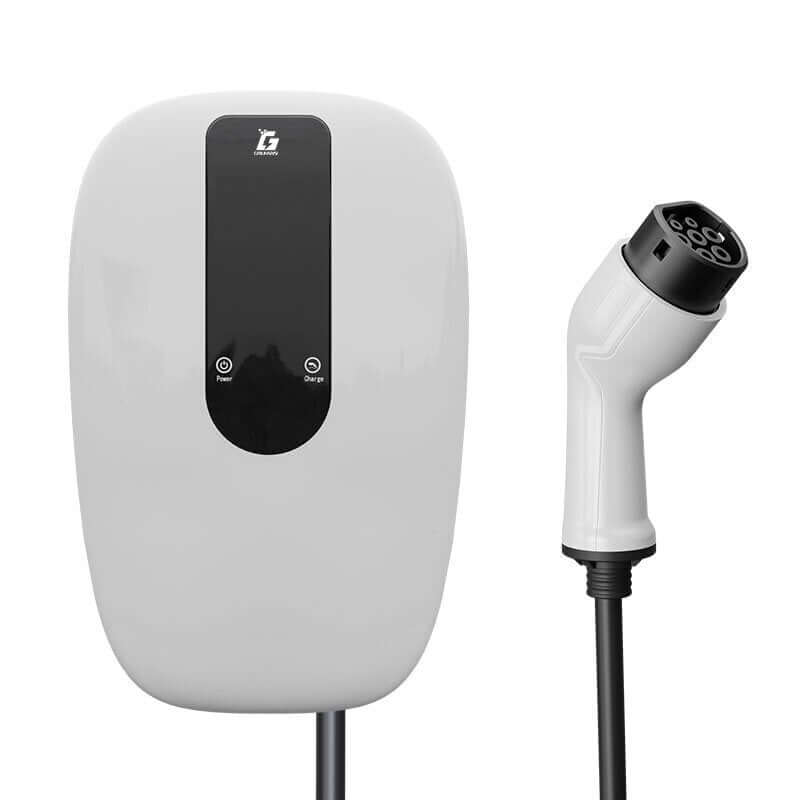
Ladestation 11kW GS11-AC-B02
Regulärer Preis
€380,00
Verkaufspreis
€380,00
Regulärer Preis
Einzelpreis
Ladestation 22 kW CN-ANS Ladestation mit App, RFID-Karte und OCPP-Protokoll
Regulärer Preis
€380,00
Verkaufspreis
€380,00
Regulärer Preis
Einzelpreis
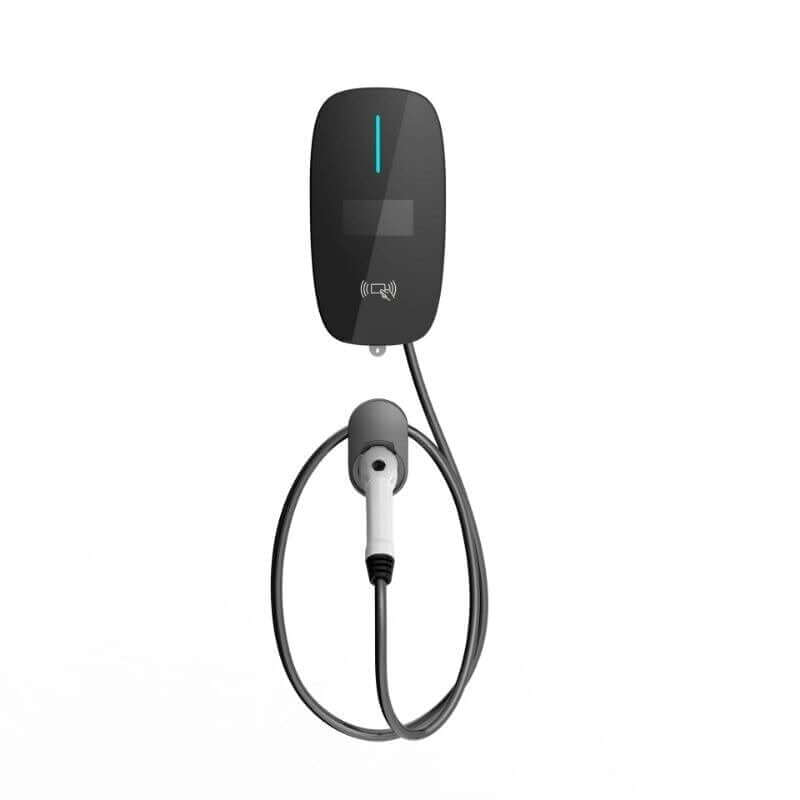
Ladestation 22 kW HCAC-NH104 mit App oder Karte
Regulärer Preis
€380,00
Verkaufspreis
€380,00
Regulärer Preis
Einzelpreis
22-kW-Ladestation mit App und 5 m langem Typ-2-Kabel, förderfähig durch staatliche Zuschüsse
Regulärer Preis
€400,00
Verkaufspreis
€400,00
Regulärer Preis
Einzelpreis
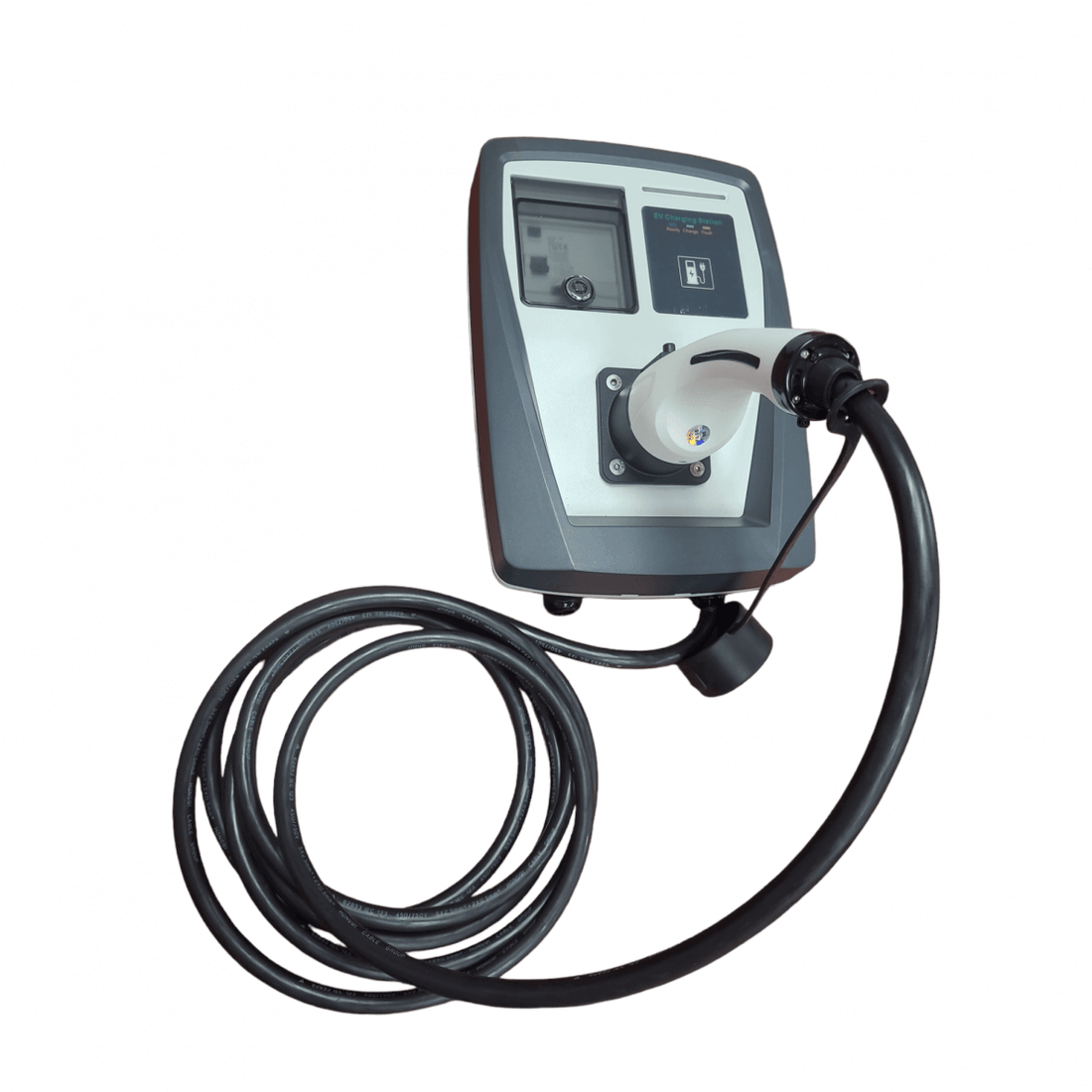
Ladestation 3-phasig, 22 kW mit Typ 2 Kabel 5 m + Ausgleichsleistungsregelung
Regulärer Preis
€640,00
Verkaufspreis
€640,00
Regulärer Preis
Einzelpreis
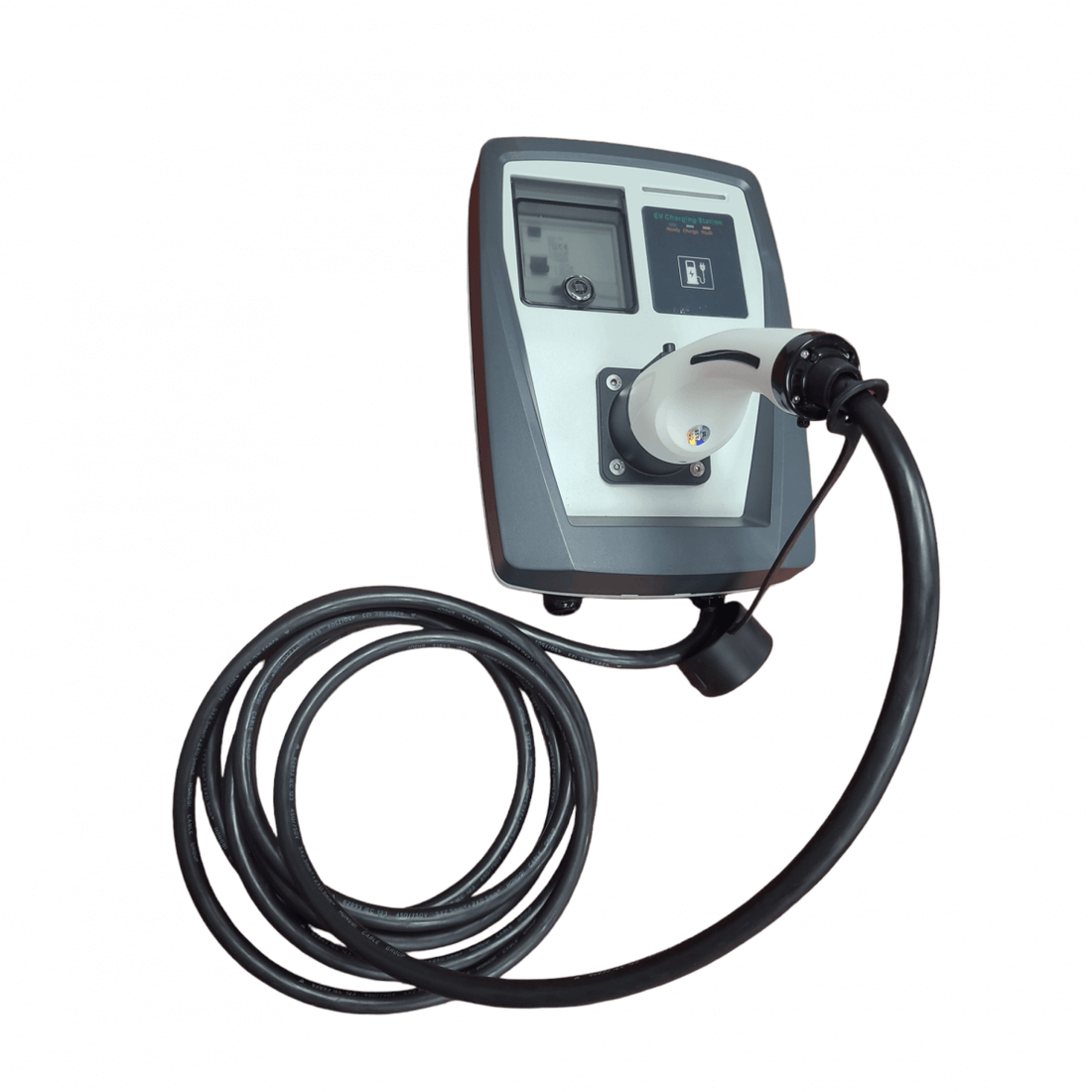
Ladestation 3 Phasen, 22Kw mit Typ 2 Kabel + Ausgleichsleistungsregelung
Regulärer Preis
€680,00
Verkaufspreis
€680,00
Regulärer Preis
Einzelpreis
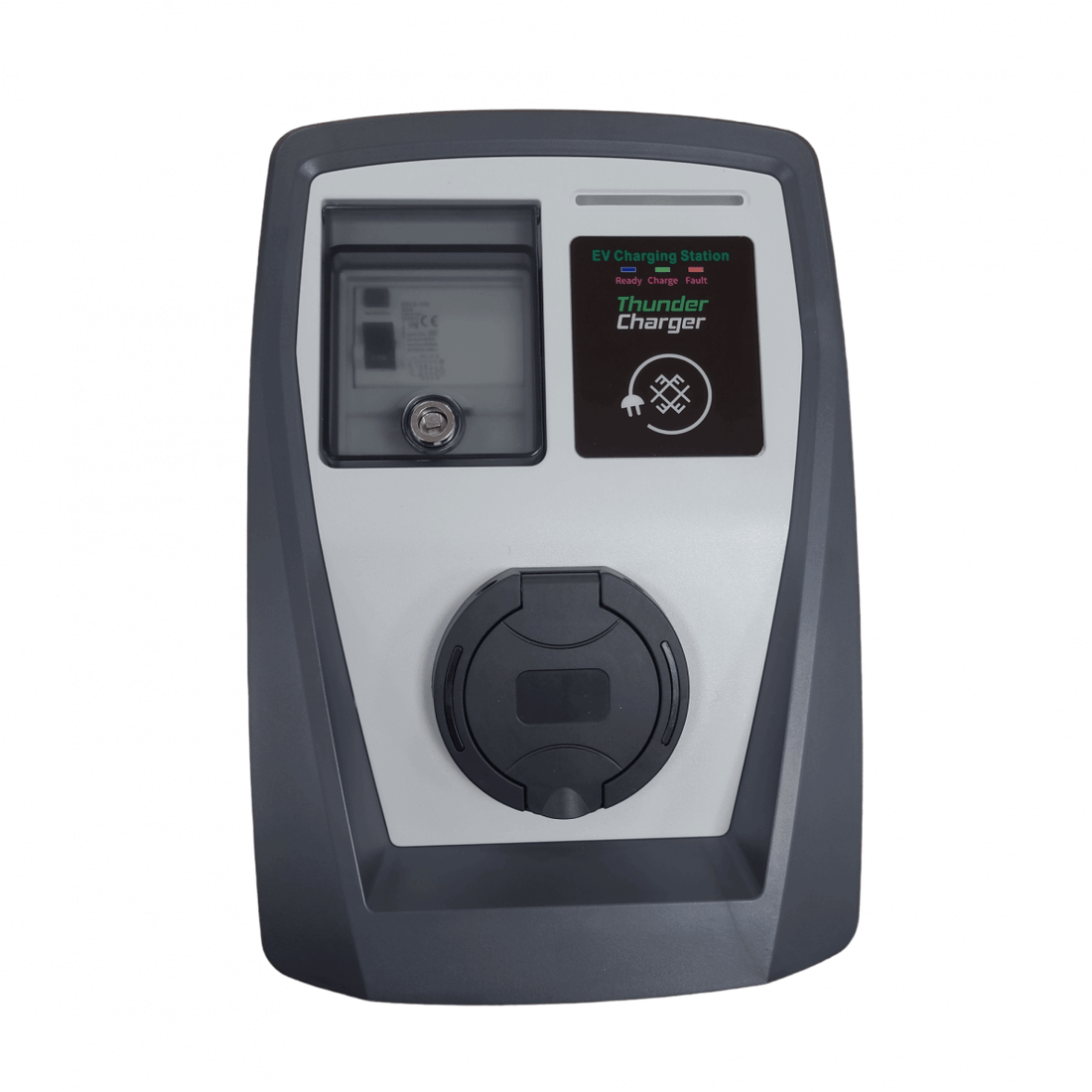
Ladestation 3-phasig, 22 kW mit Typ-2-Steckdose + Ausgleichsleistungsregelung
Regulärer Preis
€620,00
Verkaufspreis
€620,00
Regulärer Preis
Einzelpreis
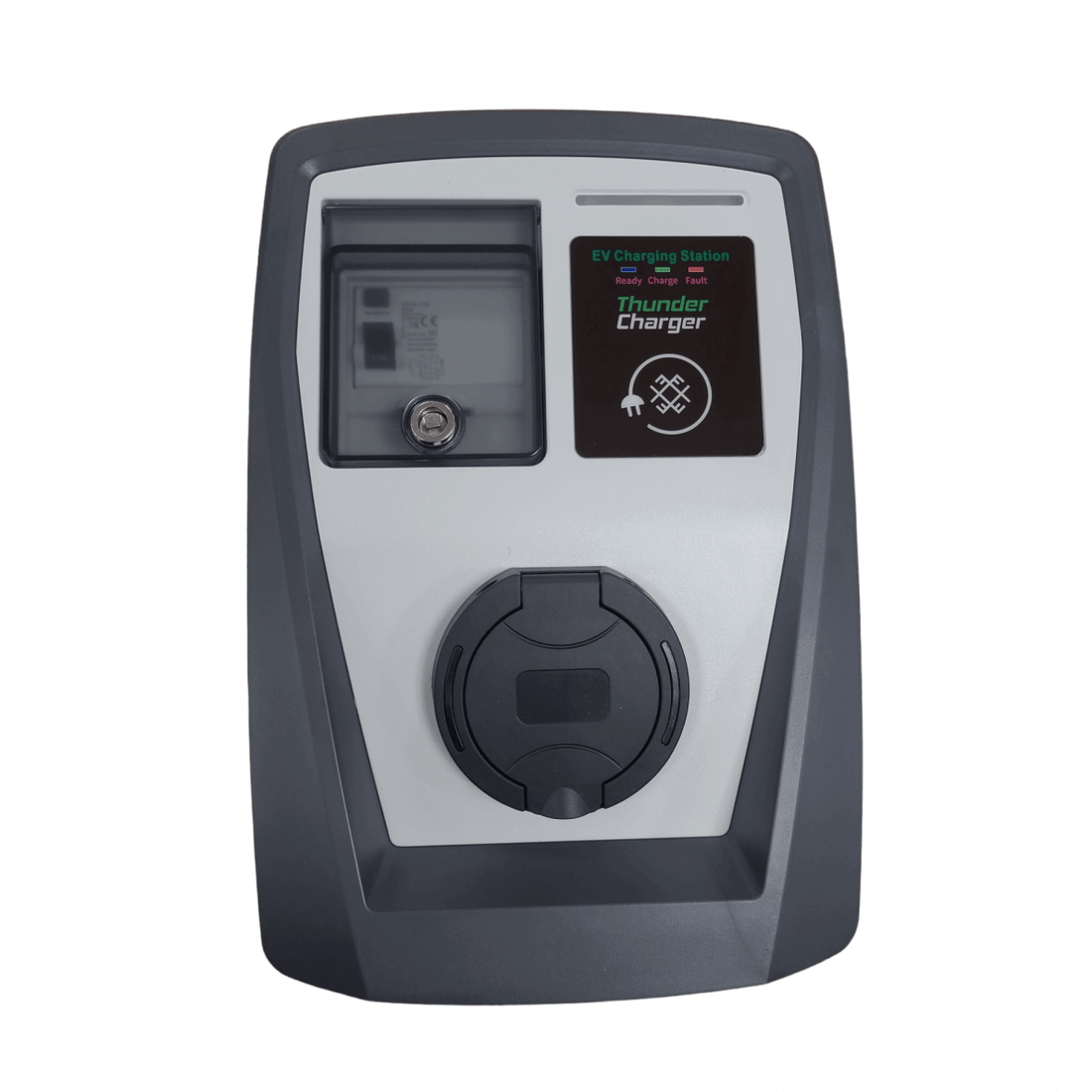
Ladestation 3-phasig, 22Kw mit Typ 2 Steckdose + Ausgleichsleistungsregelung + OCPP-Protokoll
Regulärer Preis
€620,00
Verkaufspreis
€620,00
Regulärer Preis
Einzelpreis
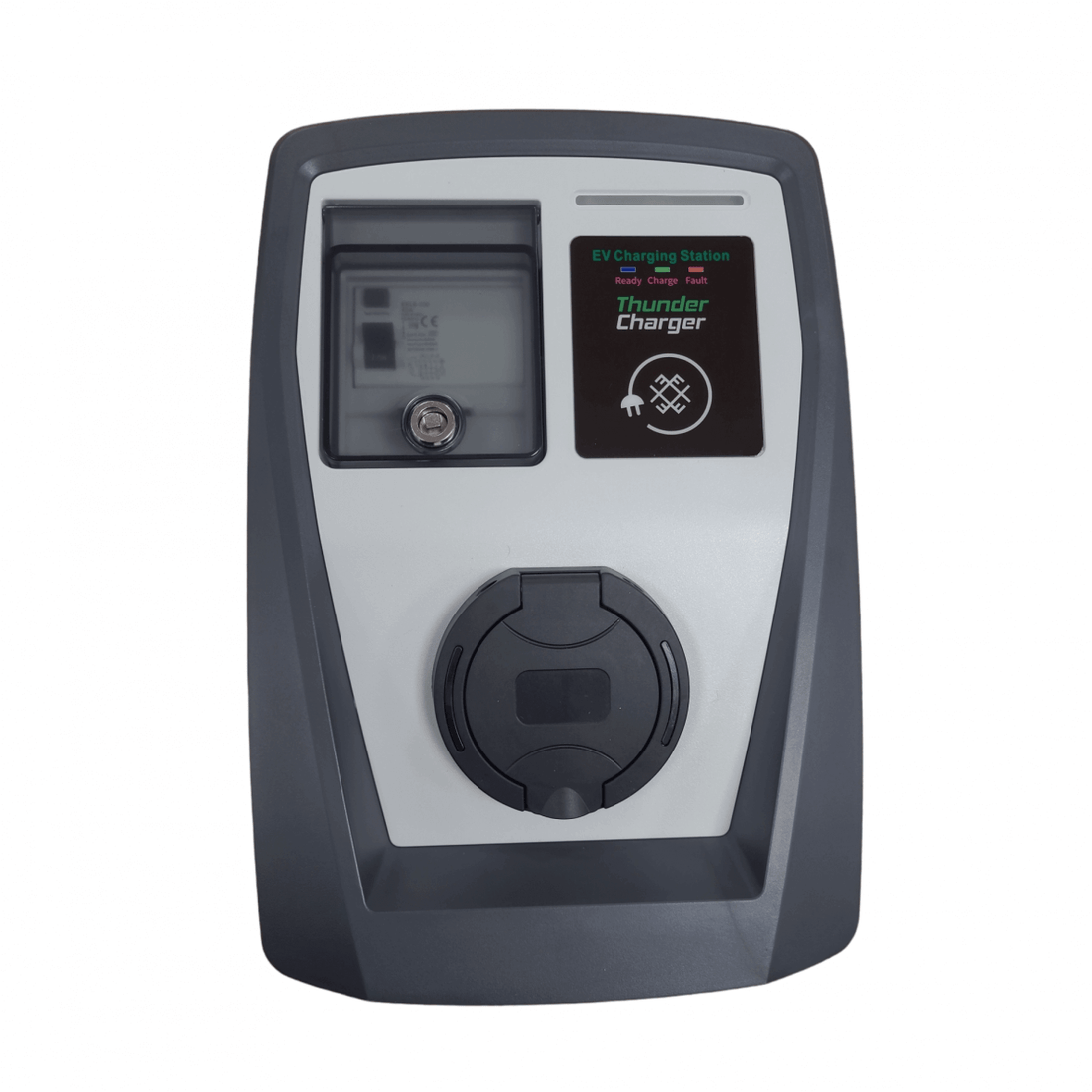
Ladestation 3-phasig, 11Kw mit Typ 2 Steckdose + Ausgleichsleistungsregelung
Regulärer Preis
€600,00
Verkaufspreis
€600,00
Regulärer Preis
Einzelpreis
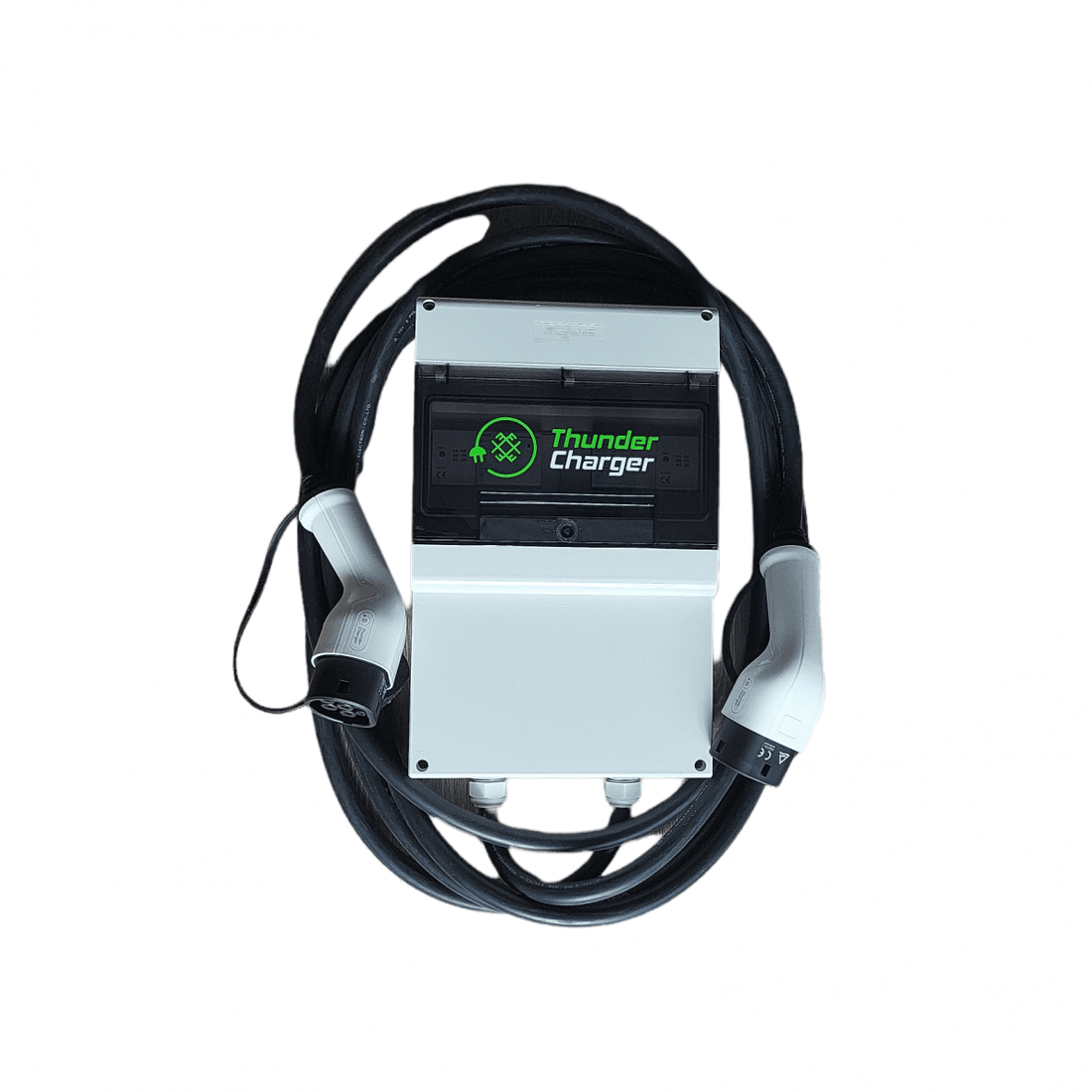
Ladestation 3 Phasen, 22 kW mit 2 Stück Typ 2 Kabel 5m lang
Regulärer Preis
€900,00
Verkaufspreis
€900,00
Regulärer Preis
Einzelpreis

Ladestation mit Typ 2 Kabel 4,8m lang, 3 Phasen, 22 kW
Regulärer Preis
€800,00
Verkaufspreis
€800,00
Regulärer Preis
Einzelpreis
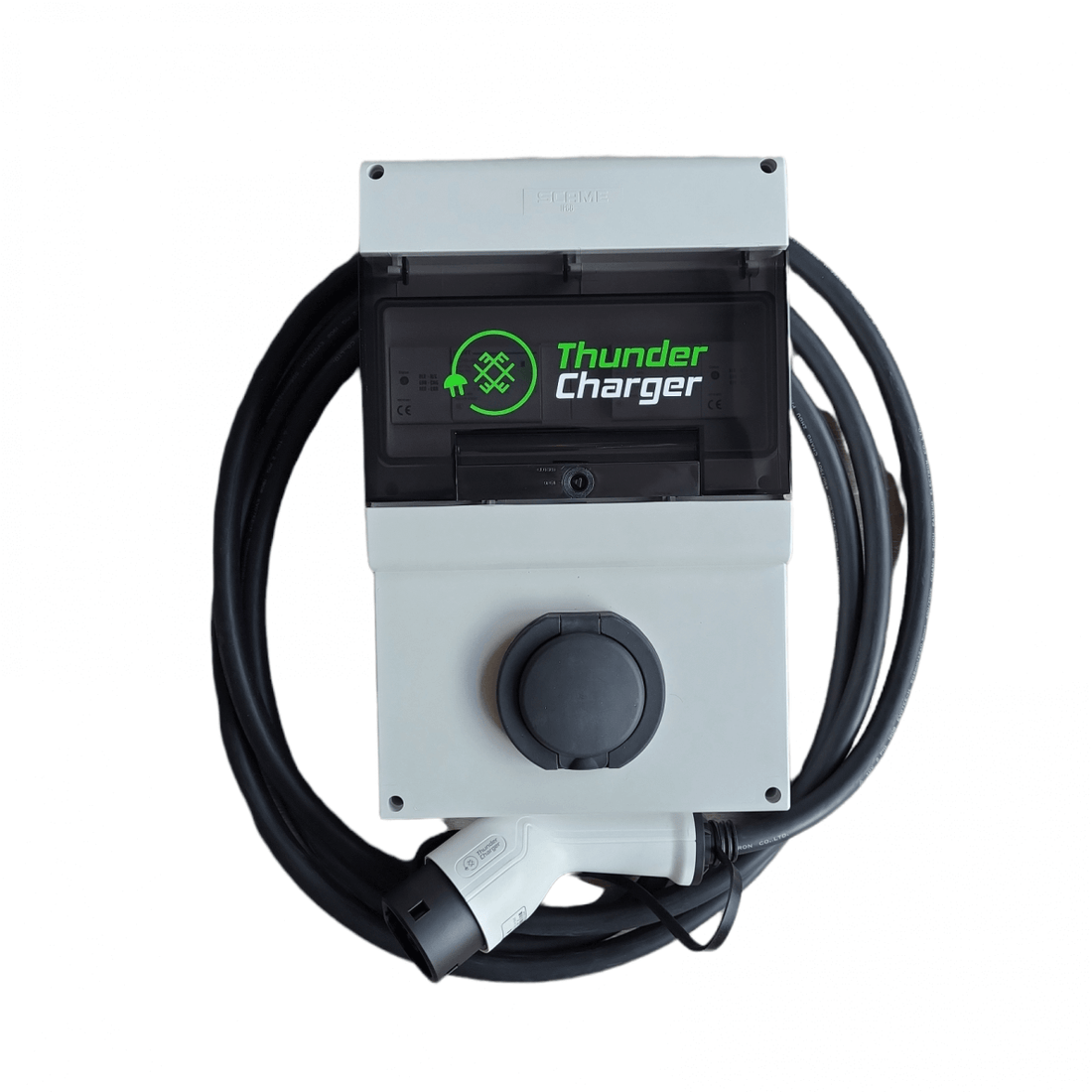
Ladestation 3 Phasen, 22 kW mit Typ 2 Steckdose und separatem Typ 2 Kabel 5m lang
Regulärer Preis
€750,00
Verkaufspreis
€750,00
Regulärer Preis
Einzelpreis
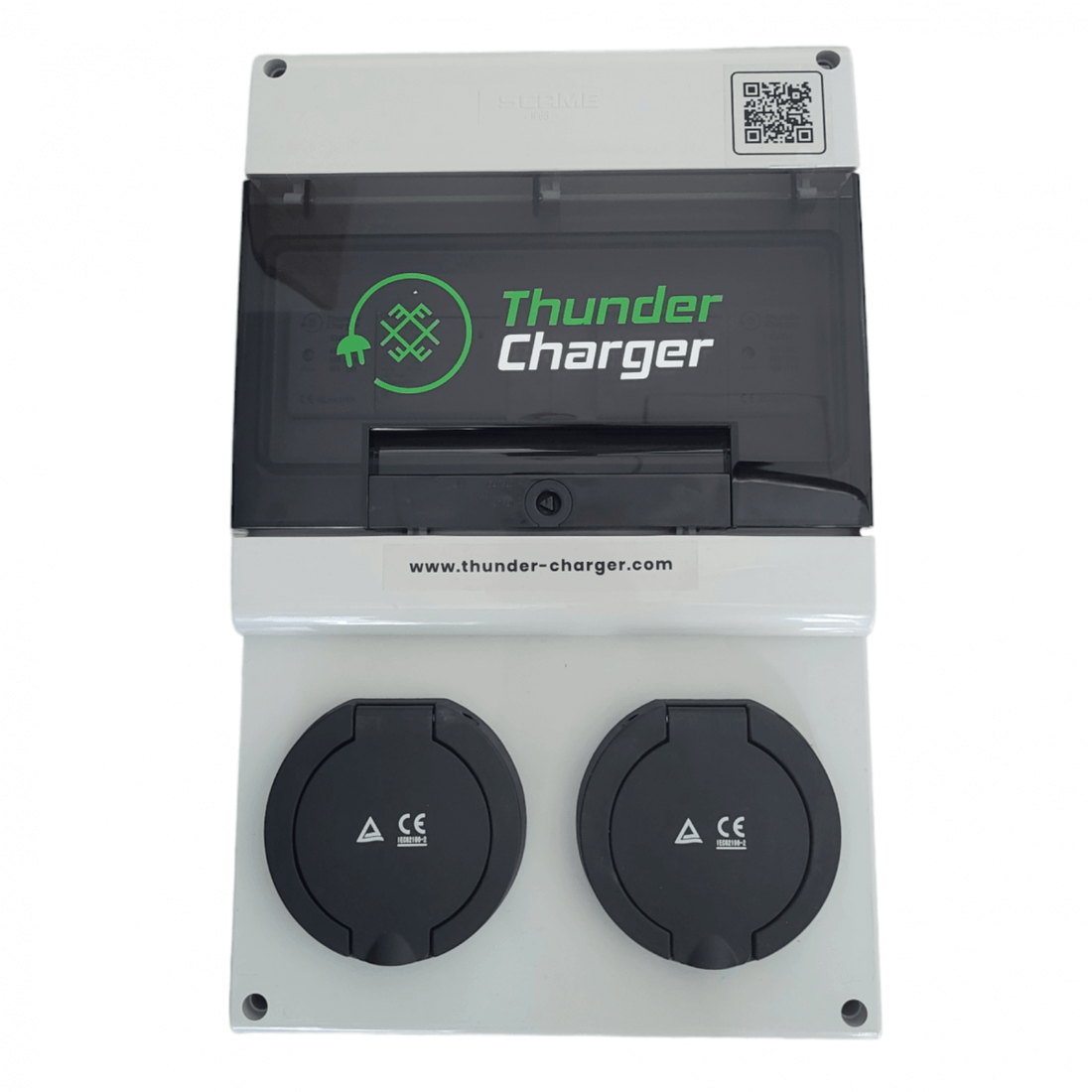
Ladestation 3 Phasen, 22 kW mit Typ 2 Steckdosen (2 Stück)
Regulärer Preis
€900,00
Verkaufspreis
€900,00
Regulärer Preis
Einzelpreis
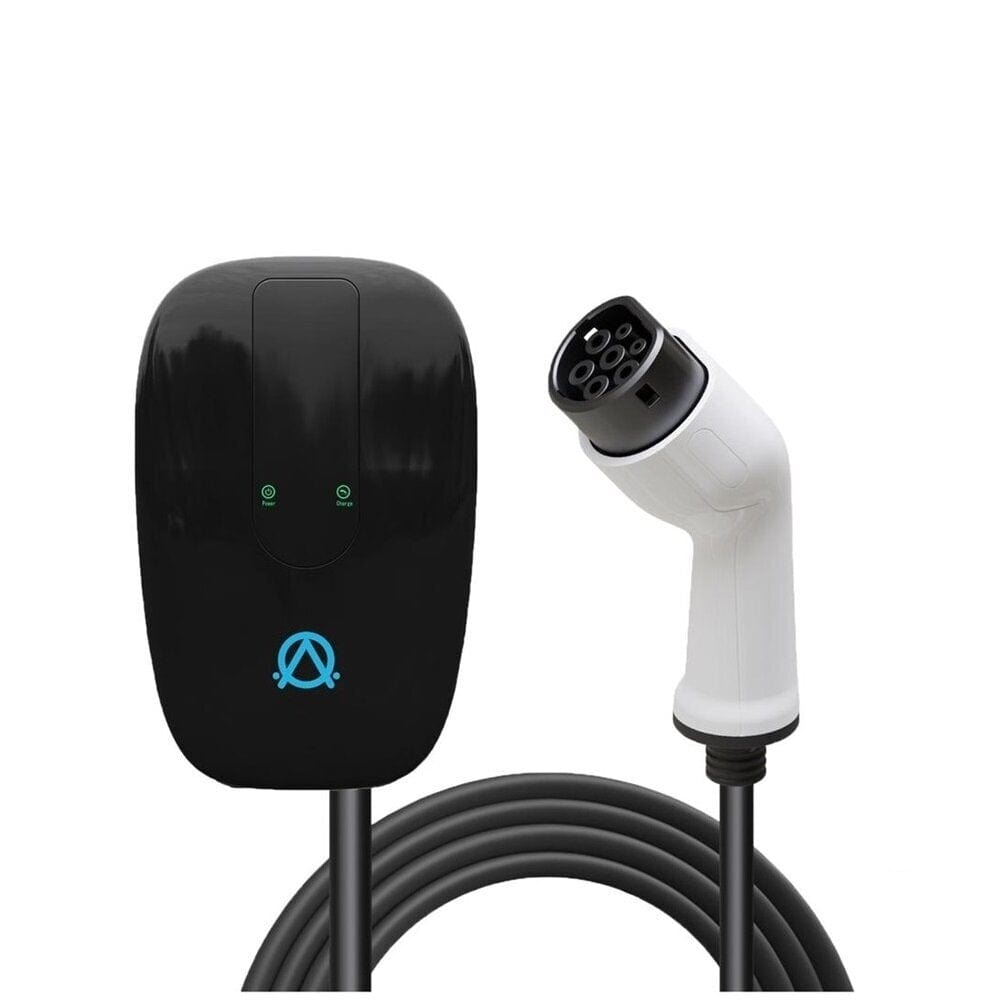

Ladestation BS20-BC-11kW mit App, Typ-2-Kabel, 5 m lang
Regulärer Preis
€390,00
Verkaufspreis
€390,00
Regulärer Preis
Einzelpreis
Ladestation BS20-BC-22 kW mit App, Typ-2-Kabel, 5 m lang
Regulärer Preis
€390,00
Verkaufspreis
€390,00
Regulärer Preis
Einzelpreis
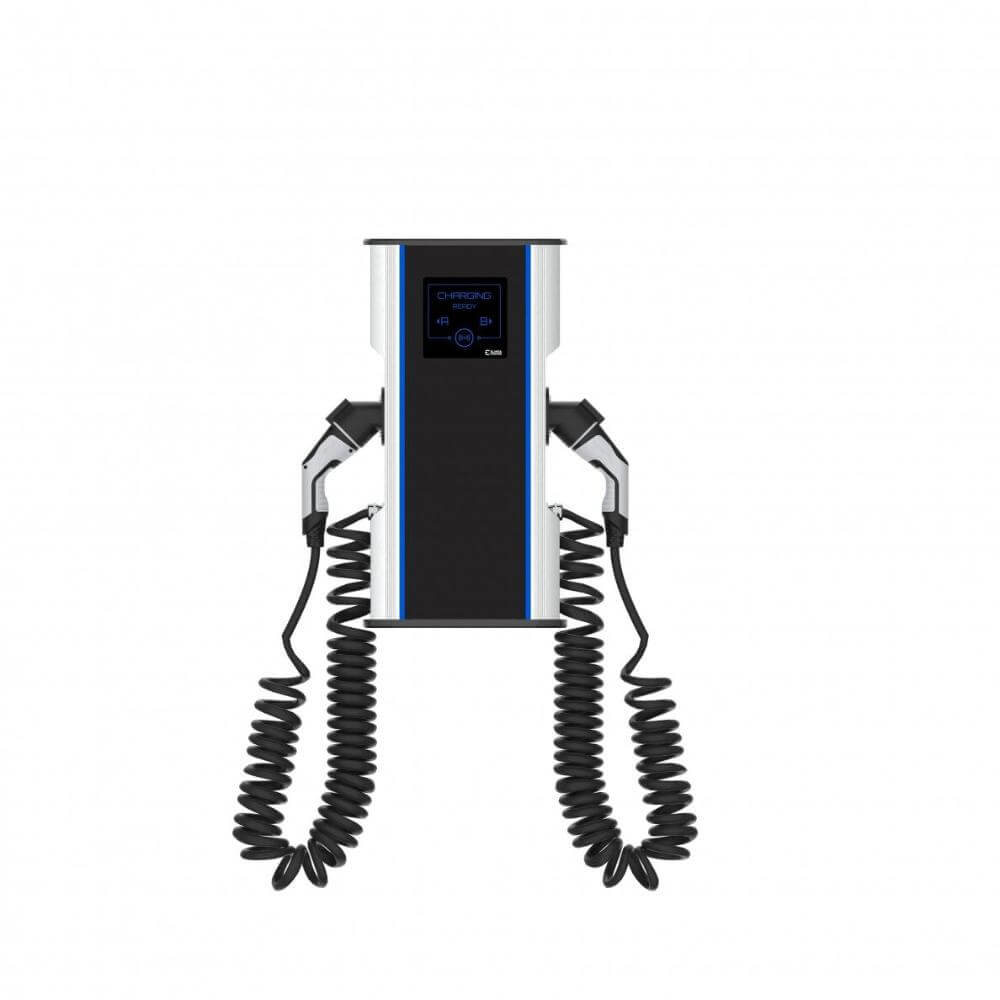
Ladestation CityCharge Mini2 Plus 3
Regulärer Preis
€3.600,00
Verkaufspreis
€3.600,00
Regulärer Preis
Einzelpreis
Sortiere nach
- Ausgewählt
- Am relevantesten
- meistverkauft
- Alphabetisch, A-Z
- Alphabetisch, Z-A
- Preis, niedrig nach hoch
- Preis, hoch nach niedrig
- Datum, alt zu neu
- Datum, neu zu alt
EV-Heimladegeräte (Ladestationen) additional information
EV-Heimladegeräte ermöglichen komfortables und sicheres Laden direkt zuhause. Wählen Sie zwischen 7 kW, 11 kW oder 22 kW Wallboxen mit smarten Funktionen wie App-Steuerung, Lastmanagement und Energieüberwachung für effizientes Laden Ihres Elektroautos.
FAQ's
Which power rating should I choose — 7, 11 or 22kW?
Choose based on your electrical supply and your vehicle's onboard charger. A 7kW single-phase charger is sufficient to fully charge most EVs overnight. 11kW and 22kW three-phase chargers reduce charging time, but only if your vehicle supports that power. Many EVs are limited to 11kW AC charging. If you have a single-phase supply, 7.4kW is the maximum charging power available.
Do I need single-phase or three-phase power?
7kW chargers run on a standard single-phase supply, which most homes have. 11kW and 22kW chargers require a 400V three-phase connection. A certified electrician can confirm what type of electrical supply your property has and whether an upgrade is needed before you choose a charging station.
Should I get a socket or a tethered-cable station?
Tethered charging stations have a built-in cable, so charging is as simple as plugging it into your vehicle. Socket charging stations do not include a cable, giving you the flexibility to use different cable lengths, but requiring you to buy and store a separate Type 2 cable. Tethered stations are more convenient for a single vehicle, while socket stations are better suited to shared or multi-vehicle use.
What smart features actually matter?
Dynamic load balancing prevents your charger from overloading your home's electrical supply when other appliances are running. OCPP allows the charging station to connect to charging management platforms. RFID provides access control, while app or Wi-Fi connectivity enables charging schedules around off-peak tariffs and remote monitoring. For home use, prioritise dynamic load balancing and app control.
Do I need an electrician to install a charging station?
Yes. All wallboxes must be installed by a certified electrician, who mounts the unit, connects it to your electrical supply, installs circuit protection and RCD safety devices, and configures the smart features. Professional installation is also usually required to maintain the manufacturer's warranty and qualify for any government grant.
Do these stations qualify for government grants?
Many models qualify when purchased with the required accessories, such as a compatible smart meter. Grant rules and amounts vary by country, so check the current eligibility criteria for your national grant scheme before ordering.
